1 view
Table of Contents
- Key Takeaway:
- What is 3D Printing in Construction?
- Pros and Cons of 3-D Printing in Construction:
- 3-D vs Traditional Design | Comparison:
- Types of 3-D Printers in Construction:
- What Should I Know Before Choosing 3D Printing Technologies?
- How is 3D Printing Executed within the Construction Field?
- 3-D Printing Technology Services Near Me:
- Choose MAI: Top 3-D Printing Technology Services inside the UK
- Conclusion:
- Frequently Asked Questions And Answers:
Key Takeaway:
Get ready to explore 3D printing technology in construction! It is one of the most exciting innovations in the building industry, and it is especially making waves in the UK. Just think about building construction that is environmentally friendly. Does this sound great? 3D printing has become a potential technology in a number of ways. And if you are wondering how this could apply to your project, you don't have to worry because MAI specialises in helping you understand how 3D printing technology in construction can help you out. For any inquiry, call us at +44 0208 004 3345 or send us an email directly at info@myproject.ai.
What is 3D Printing in Construction?
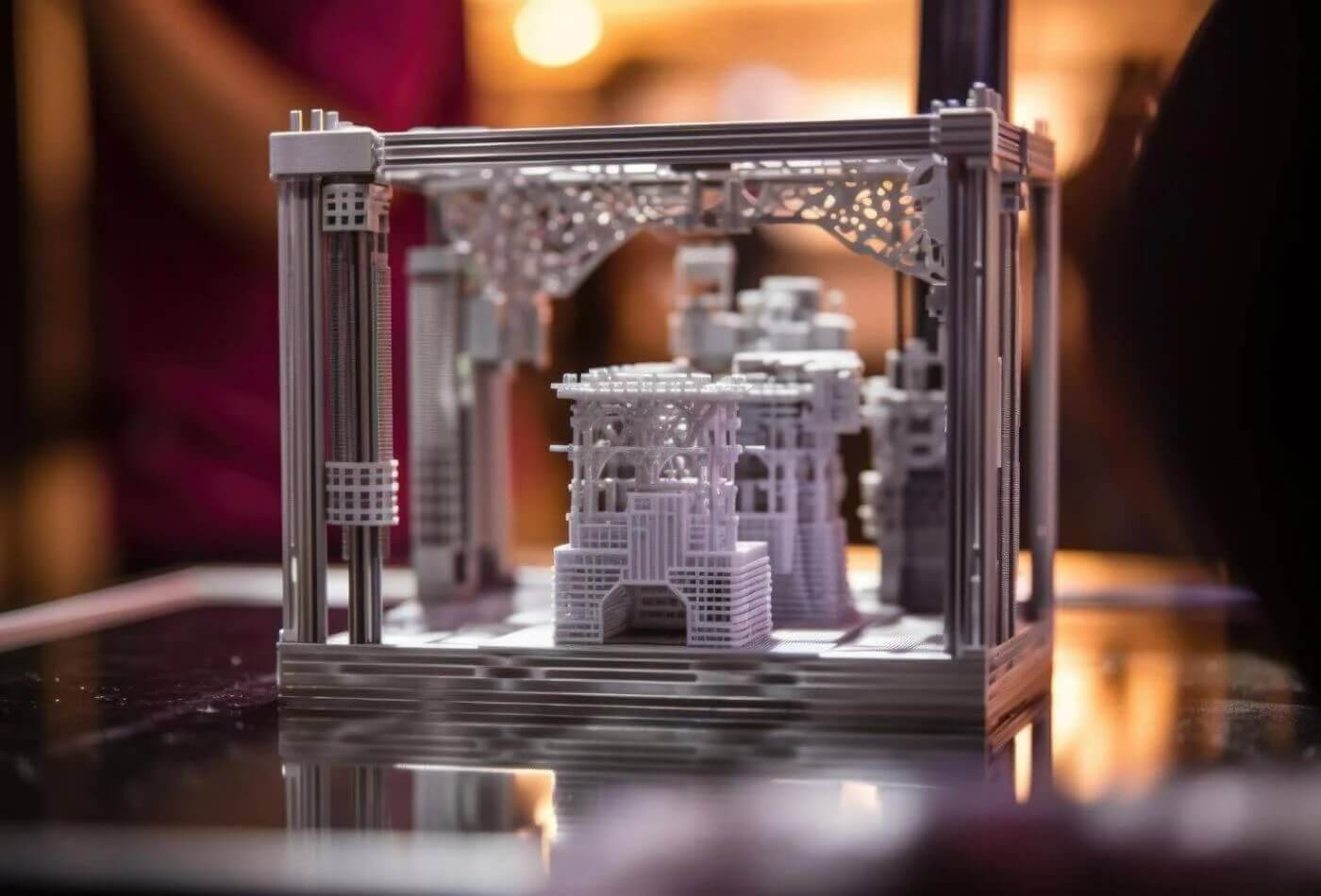
3D printing technology in construction is the process of forming construction parts using a giant 3D printer and assembling them structure by structure. These methodologies have brought about efficient and cheaper measures of construction. Unlike using customary materials such as wood or metal in massive quantities, 3D printing helps in the selective use of the material to complete the project. It has been employed by skilled professionals in the UK to print on walls and complete homes, thus opening up new opportunities for environmentally sustainable solutions and further complex architectural concepts and designs. Many contractors in the UK have considered using 3D printing technology in construction with the aim of bringing down the construction period and minimising the cost of employing labour.
Pros and Cons of 3-D Printing in Construction:
Pros
Speed: 3-D printing hastens production, decreasing timelines by weeks or maybe months, offering a massive benefit for instant-paced UK initiatives.
Lower Costs: By the usage of fewer substances and cutting labour expenses, 3-D printing offers an extra cost powerful answer, making it attractive for creation corporations.
Creative Freedom: Designers can obtain intricate, custom shapes and geometries that traditional strategies can't, making it ideal for progressive UK initiatives.
Less Waste: With specific material usage, 3-D printing minimises waste, aligning with the United Kingdom's recognition of sustainability in creation.
Customisation: Components can be published to genuine specs, perfect for tailor made initiatives in both residential and industrial UK spaces.
Cons
Expensive Equipment: The premature fee of 3-D printers and setup may be high, posing a sizable funding task for construction groups.
Limited Materials: Only certain materials are well suited to 3D printing, restricting its versatility in comparison to conventional construction materials.
Regulatory Hurdles: UK building codes have not completely adapted to 3D printing, developing demanding situations for gaining popularity of printed systems.
Uncertain Long-Term Durability: Some 3-D printed materials nevertheless need to show their lengthy-time period sturdiness in varying climates.
Specialised Labor: Operating 3-D printers requires specialised skills, and the fantastically new technology needs educated professionals inside the UK staff.
3-D vs Traditional Design | Comparison:
1. Speed of Construction
3-D Printing: Projects may be finished a good deal quicker, every now and then, decreasing construction time by 30-50%.
Traditional Design: Requires greater time for making plans, exertions, and substances that may postpone the final construct.
2. Cost Efficiency
3-D Printing: Generally, extra fees are powerful because of less labour, fewer substances, and reduced waste.
Traditional Design: Often extra high priced due to excessive hard work charges and the need for more than one construction material.
3. Design Flexibility
3-D Printing: Offers in reality countless design opportunities, bearing in mind tricky, custom designs and shapes.
Traditional Design: Has obstacles in terms of complexity and precision, frequently requiring additional resources to attain complicated designs.
4. Environmental Impact
3-D Printing: Reduces material waste and can use sustainable substances, promoting a greener construction procedure.
Traditional Design: Tends to generate more waste and makes use of more assets, impacting the surroundings more.
5. Durability and Strength
3-D Printing: Materials used for 3D printing are durable, but a few may not always fit the power of conventional substances.
Traditional Design: Often provides extra reliable structural integrity with established materials; however might also come at a higher value.
Types of 3-D Printers in Construction:
1. Concrete Printers
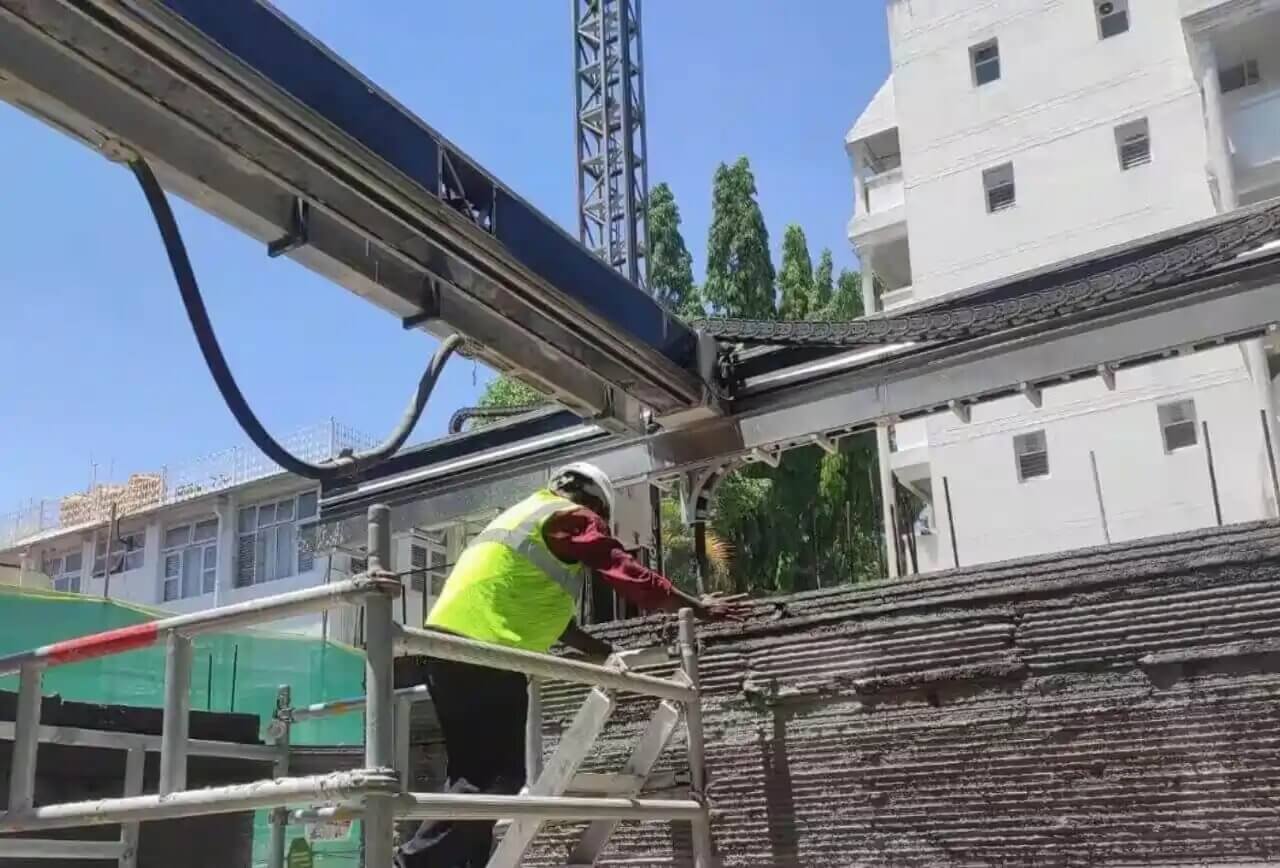
These printers use concrete-based total substances to create huge building additives or maybe complete structures. They are perfect for building durable, eco-friendly homes.
2. Robotic 3-D Printers
Robotic fingers are used on this type of 3D printer to assemble complex structures, supplying flexibility and precision in layout.
3. Gantry System Printers
These are big-scale 3D printers with a desk-bound base and moveable print heads. They are extraordinary for printing huge factors of buildings.
4. Binder Jetting Printers
This printer uses a binder to stick powder layers collectively to create solid structures. It is especially beneficial for speedy prototyping and problematic designs.
5. Sintering Printers
These use high temperatures to fuse powdered materials into strong systems. This method is generally used for special work and smaller-scale construction tasks. Also read modular construction techniques now.
What Should I Know Before Choosing 3D Printing Technologies?
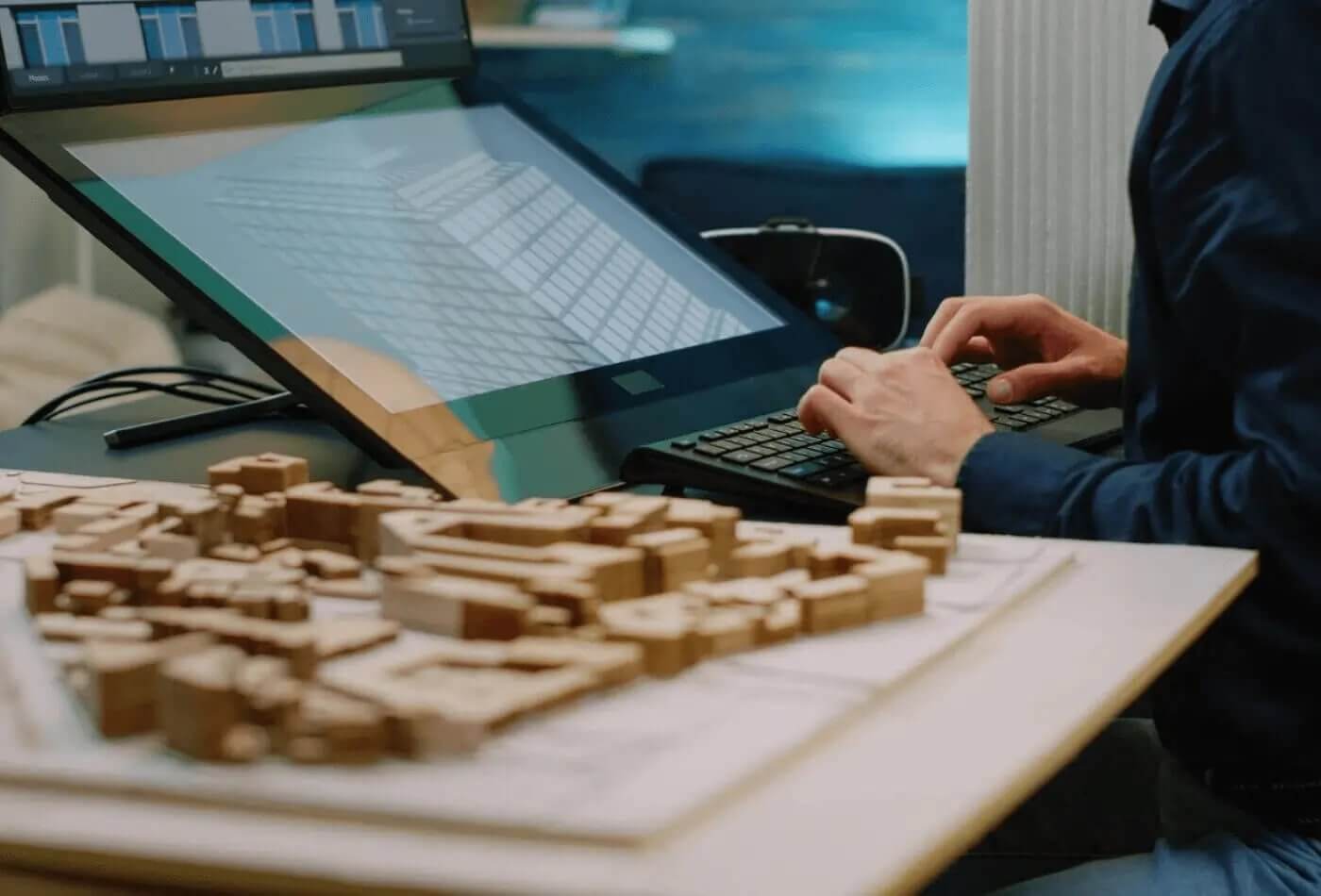
Understanding the Technology
Learn how 3D technology works in construction to make sure it is a very good suit for your undertaking. Understand its capacity, benefits, and talents before you decide.
Material Choices
Explore the to-be-had substances for 3-D printing to ensure durability and energy in your construct. Consider how those substances are preserved in the UK weather. Hire skilled tradesmen in the UK to select the top material!
Cost Considerations
Know the full value of using 3D printing technology services in the UK, together with preliminary and ongoing fees. Weigh the lengthy-term savings against the upfront investment. Visit our website today to get affordable services.
Regulatory Requirements
Ensure your challenge complies with local building policies for 3-D revealed systems in the UK. Make sure the whole thing is legally sound before you start.
Choosing the Right Service
Choosing the proper 3D printing in construction is fundamental. Research UK companies to discover one with vital enjoyment and understanding. Choose MAI now.
How is 3D Printing Executed within the Construction Field?
1. Design Phase
First, architects and engineers lay out the model for the use of a pc software program. This model is then converted into commands for the 3-D printer.
2. Material Preparation
Special substances, like concrete, are prepared and loaded into the 3-D printer, geared up for printing. These materials are frequently custom-made for creation initiatives.
3. Printing the Structure
The 3-D printer lays down successive layers of material to build the shape or factor. This manner can take anywhere from some hours to numerous days.
4. Finishing Touches
After the printing process, any additional paintings are done to refine the structure, which includes smoothing surfaces or adding insulation.
5. Quality Control
The revealed additives undergo rigorous checking to ensure structural integrity before being used in the very last construction mission.
3-D Printing Technology Services Near Me:
Access to Local Expertise
Looking for a 3D technology for construction near me? Local companies provide expert solutions made to your particular desires with the UK market. Project Owners can post their projects. In MAI you can find all types of Traders who will complete your projects.
On-Site Consultations
Local 3D printing technology construction companies in the UK offer on-website online consultations, making sure your venture meets UK construction requirements and policies.
Quick Turnaround Times
Choosing services nearby is faster delivery and quicker execution, permitting you to meet cut-off dates in your 3D technology in construction tasks.
Customised Solutions
“3D construction services near me” provide personalised designs, delivering customised 3dD technology in construction that completely suits your space and finances.
Choose MAI: Top 3-D Printing Technology Services inside the UK
Expertise You Can Trust
MAI is a top construction company in the UK. With years of experience in 3d printing in construction, MAI presents the best, dependable solutions tailor-made for your precise assignment wishes, ensuring fulfillment each time.
Affordable and Efficient
MAI gives competitive pricing for 3D printing technology services in the UK, supplying you with cost-powerful options that by no means compromise on quality or overall performance. Read construction budget ideas to get affordable service in the UK.
Cutting-Edge Technology
Using the latest in 3-D printing generation, MAI guarantees your creation initiatives stay ahead of the curve, handing over progressive consequences that set new industry standards. Hire the top home renovation company in the UK.
Conclusion:
As a whole, 3D printing technology in construction is always a top choice. It has been real that this tech has brought a revolution in the construction of buildings, predominantly within the UK. That is quicker, cheaper, and far less environmentally friendly than traditional methods. Regardless of whether you are undertaking a large task or undertaking a smaller one, here's how 3D printing technology services in the UK can benefit you. If you are up for it, MAI is always here to assist you with tips and solutions. Do not wait to contact us for all your 3D printing requirements. Let’s help you with your dream constitution project now!
Frequently Asked Questions And Answers:
1. Is 3D-printed Construction Safe?
Indeed, more so if the architectural construction using 3D Printed structures complies with the set specifications and code. At the moment, the technology is still under development, and more investigation is underway to enhance the tensile strength and wear of the woven metal for use in long-span applications.
2. What Materials Are Used in Construction of 3D Printing Technology?
Prime examples include concrete, cement, metals, plastics, and other composite materials that may be preferred by the designer. The type of material to be used in construction depends on the type of structure that is being put up and the properties in which one is interested, like the strength of the structure.
3. How Much Does 3D Printing Technology in Construction Cost?
It has various prices depending on the size of the project, the material used and the design of the project. While the cost of 3D printing technology is initially very high, the cost of labour, material and time, in the long run, are greatly reduced.
1 view
Enjoyed this? Get new posts by email
New posts from MY-BOOK, plus a short digest every Monday. Unsubscribe at any time.
Related reading
Popular on MY-BOOK
 Window Sill Replacement: Costs, Mistakes & Best Options | UK7 Oct 2026 · 6 min read4How Much Does A Plumber Earn? UK 2025 Salary Insights12 Aug 2025 · 6 min read
Comments
Please keep it kind and on topic. Read our community guidelines.
Loading comments…