Table of Contents
- What Exactly Are Double-Glazed Windows? (and Why Should You Care?)
- uPVC vs Timber vs Aluminium Frames – Which Should You Choose?
- Why Does Double Glazed Glass Matter in the UK?
- Double Glazed Glass in UK Homes - Explained in Detail
- How Much Does Double Glazing Cost in the UK?
- Factors Affecting Cost of Double Glazing in UK
- Is There a Government Grant for Double Glazing in 2025?
- Double Glazing DIY Vs Professional - What’s Cheaper?
- Common Issues: What If My Double-Glazed Windows Are "Blown"?
- What Causes a Blown Window?
- How to Fix a Blown Window?
- Quick Tip for UK Searchers:
- Double Glazing vs Triple Glazing vs Secondary Glazing
- Final Thoughts: Is Double Glazing Worth It?
- What To Do Next?
- Frequently Asked Questions and Answers
Key Takeaway: If you’re in the UK and finding it harder each winter to keep your home warm without skyrocketing heating bills, you’re not alone. With colder seasons, climbing energy costs, and a nationwide push for energy efficiency, it’s no surprise many homeowners are asking: Is Double Glazing Windows worth the investment in 2025? This guide breaks down the real costs, long-term savings, and practical benefits of double glazing for UK homes, whether you live in a flat in London or a semi in Leeds.
What Exactly Are Double-Glazed Windows? (and Why Should You Care?)
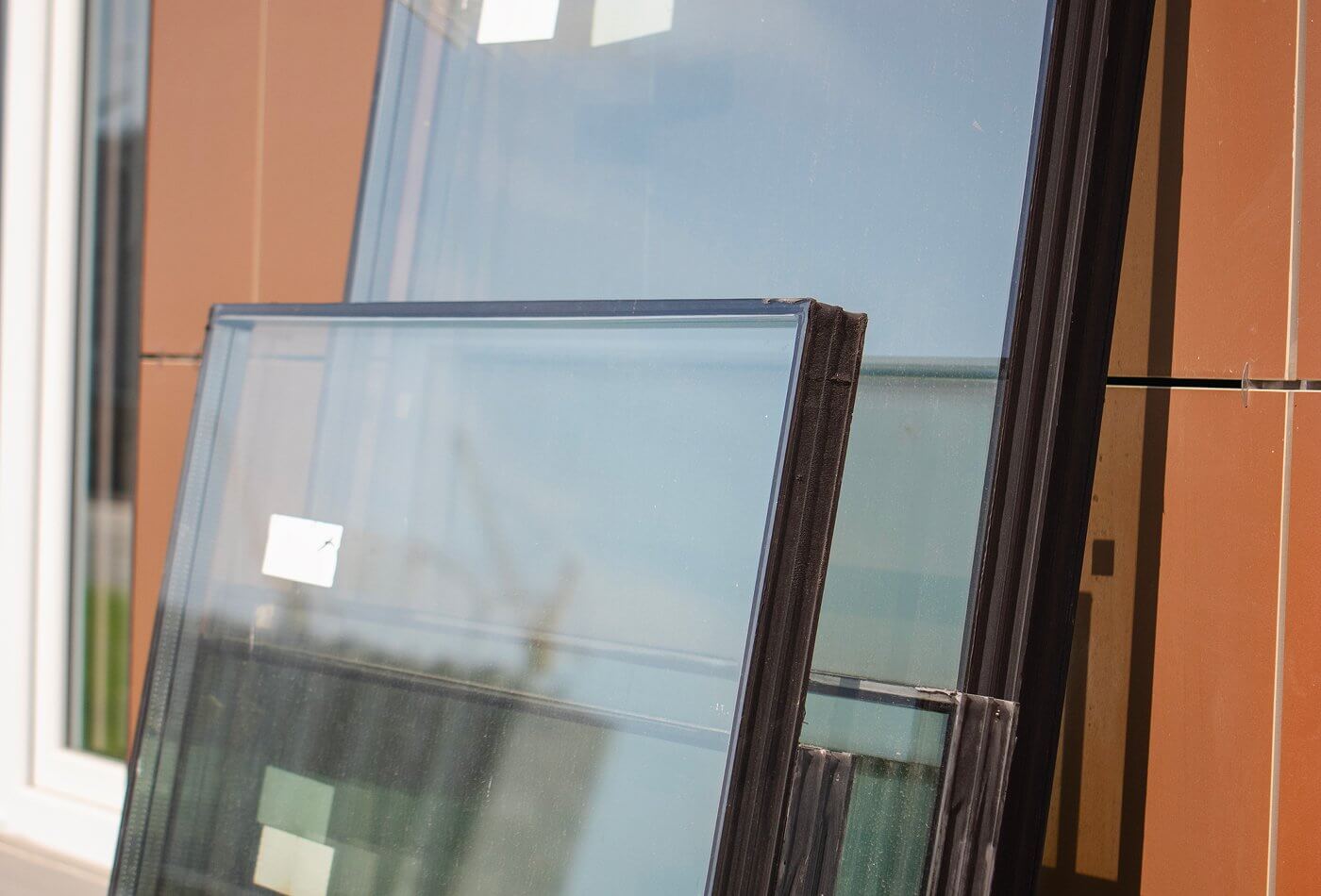
Double-glazed windows are simply windows made with two panes of glass, not one. In between these panes is a small gap filled with air or inert gas like argon, and that’s the secret sauce. This design dramatically reduces heat transfer, improves noise insulation, and minimises condensation.
Double glazing windows is a clever design. It acts like a thermal barrier, helping to:
Keep heat in during cold UK winters
Keep noise out (especially if you live near a road or in a city)
Cut condensation on cold mornings
In the UK, the most common types of double-glazed windows are:
uPVC frames - Most popular across the UK, affordable, weatherproof, and low maintenance.
Wooden frames - Often seen in Victorian or cottage-style properties. Beautiful, but needs regular care.
Aluminium frames - Modern, slim, and durable. These double glazing windows are a good choice for contemporary homes or flats.
uPVC vs Timber vs Aluminium Frames – Which Should You Choose?
Feature | uPVC Frames | Timber Frames | Aluminium Frames |
|---|---|---|---|
Appearance |
|
|
|
Maintenance |
|
|
|
Lifespan | 20–25 years | 40+ years with care | 30–45 years |
Cost | Most affordable | Most expensive | Mid to high |
Ideal For |
|
|
|
Find vetted Double Glazing Installers based on your region
Why Does Double Glazed Glass Matter in the UK?
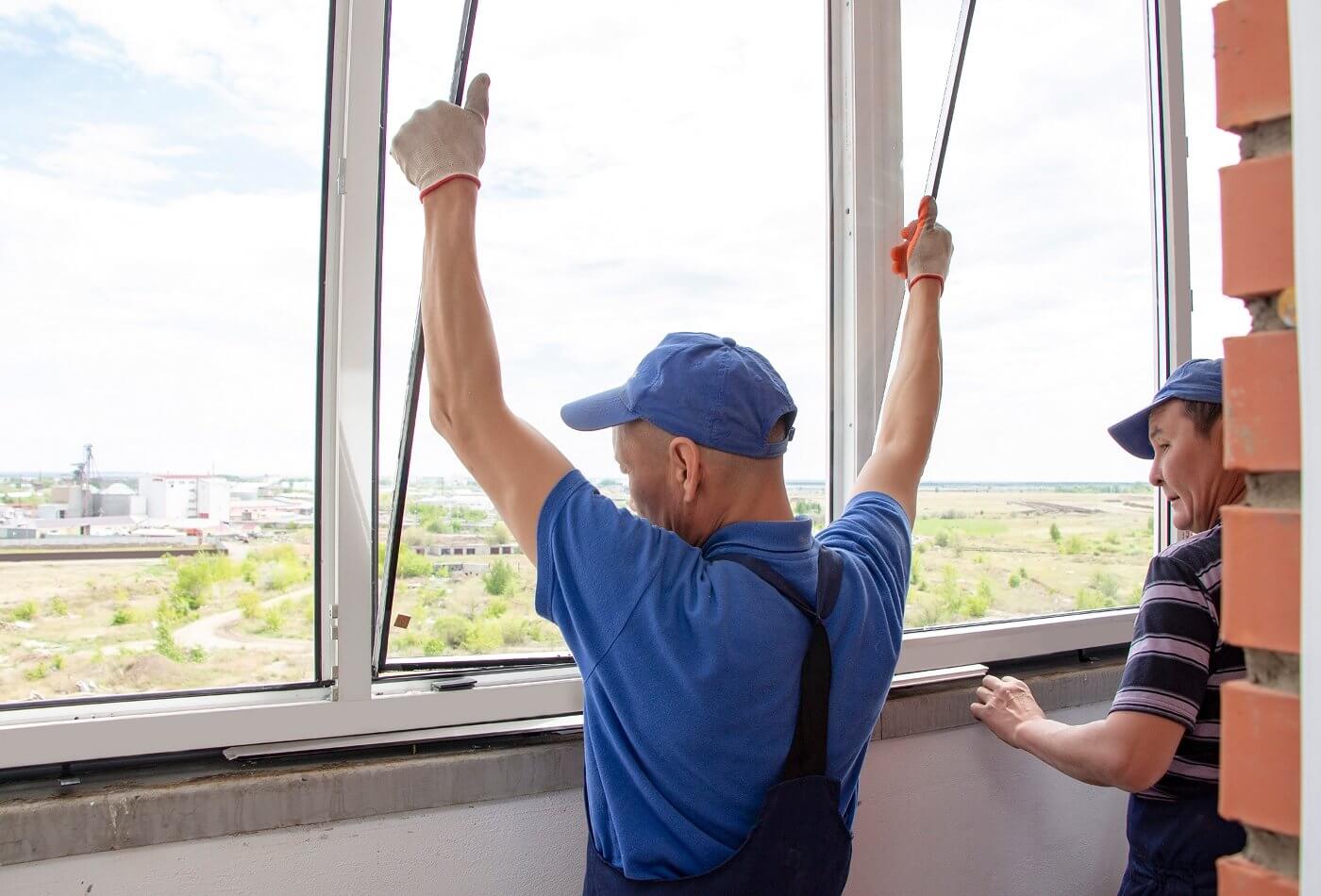
With rising energy prices and the UK's damp, drafty winters, double glazing has gone from a luxury to a must-have in many homes. Whether you're in a terraced house in Manchester or a semi in Kent, double glazing windows can make a noticeable difference in warmth and quiet.
Bonus: If you're renting or selling, double glazing your windows can also boost your home's EPC rating, something buyers and landlords now pay close attention to.
Also read: Don’t Skip House Window Tint If You Plan To Sell Your Home Soon
Double Glazed Glass in UK Homes - Explained in Detail
UK Weather Demands Better Insulation
With long winters, frequent rain, and damp conditions, British homes need effective insulation. Double glazing helps retain indoor heat and keeps out draughts, making your home more comfortable.
Rising Energy Bills
Energy costs in the UK have soared over recent years. With double glazing, homeowners can potentially reduce heating usage by up to 30%, depending on their home type and existing insulation.
Noise Pollution in Urban Areas
If you live near a busy road, airport, or high street in cities like London, Manchester, or Birmingham, double glazing windows significantly cut down external noise—creating a quieter indoor space.
Prevents Condensation
Condensation is common in UK homes due to the moist climate. Double glazing maintains a higher inner-glass temperature, reducing internal moisture buildup and helping to avoid mould growth.
Improves Home Value & EPC Ratings
Many UK buyers and landlords consider energy performance when evaluating a property. Installing double glazed windows can raise your Energy Performance Certificate (EPC) rating, potentially increasing your home's value.
How Much Does Double Glazing Cost in the UK?
Here’s a rough breakdown of current double glazing prices (2025 estimates):
Window Type - Cost per Window (Approx.)
uPVC Casement - £400 - £600
uPVC Sash - £800 - £1,200
Timber Sash - £1,000 - £1,500
Aluminium Casement - £600 - £900
Factors Affecting Cost of Double Glazing in UK
Frame material
Window size and style
Installer charges (London often costs more)
Any decorative glazing or security upgrades:
Important: Always get quotes from FENSA-registered or TrustMark-certified installers to ensure building regulation compliance.
Is There a Government Grant for Double Glazing in 2025?
Good news for eligible UK homeowners!
In 2025, several local councils and national energy-efficiency schemes continue to offer grants or financial help for upgrading your windows. If you receive benefits or live in a low EPC-rated home, you may qualify for:
Home Upgrade Grant
Energy Company Obligation (ECO4) Scheme
Local Authority Flex (LAFlex)
Tip: Check your postcode on gov.uk or contact your local council to see what schemes apply in your area for double glazing windows installation.
Double Glazing DIY Vs Professional - What’s Cheaper?
While YouTube might show DIY methods, installing double glazing is not usually a DIY-friendly task. Incorrect installation can lead to:
Draughts
Seal failures
Loss of insulation benefits
Professional double glazing installation is strongly recommended, especially if you want to claim government grants or meet building regulations. DIY may void warranty and cost more in repairs.
Common Issues: What If My Double-Glazed Windows Are "Blown"?

If you’ve noticed a misty or foggy appearance inside your double glazing, it’s likely the unit is what’s commonly called “blown.” This means the seal between the two panes has failed, allowing moisture or condensation to form in between.
What Causes a Blown Window?
Age & wear – most double-glazed units last around 15–20 years.
Poor installation – Seals of double glazing windows may weaken if not fitted properly.
Harsh weather exposure – repeated freeze-thaw cycles in UK winters can damage seals.
How to Fix a Blown Window?
Replace Just the Glass Unit (Not the Whole Frame)
You can usually just replace the sealed unit, which is far cheaper than changing the full window.
Average UK cost: £80 – £150 per unit, depending on size and location.
Check for Warranty
Many reputable companies offer 5–10 year warranties on sealed units.
If your windows are still under guarantee, you may be able to get them replaced for free or at reduced cost.
Temporary Fixes
DIY moisture absorbers inside the house might help reduce visible fog but won’t fix the problem permanently.
Some homeowners try drilling and resealing double glazing windows,but this is rarely effective and not recommended for long-term results.
Quick Tip for UK Searchers:
If you're Googling “How to fix condensation in double glazing”, “Blown double glazed window repair cost UK”, or “Is misted double glazing a big problem?”, then the best course is usually to get a quote for unit-only replacement from a FENSA or CERTASS-registered local installer.
Get all type of Property Renovation Services Through MAI
Double Glazing vs Triple Glazing vs Secondary Glazing
| Feature | Double Glazing | Triple Glazing | Secondary Glazing |
| Cost | Medium | High | Low |
| Thermal Efficiency | Good | Best | Fair |
| Soundproofing | Good | Best | Moderate |
| Suitability | Most homes | Coldest areas | Listed buildings |
Tip: If you live in a conservation area or listed property, secondary glazing might be your only option. Triple glazing is great for Scotland or northern England.
Final Thoughts: Is Double Glazing Worth It?
Absolutely, especially with UK energy prices rising and insulation becoming a must-have. Double glazing is not just about comfort but a long-term investment in energy savings, noise control, and value.
What To Do Next?
Get quotes from FENSA-certified local installers
Explore uPVC for affordability or aluminium for style
Check if you qualify for a government insulation grant
If you're thinking about upgrading your windows, for a hassle-free experience, use MAI to post your project online or email info@myproject.ai for assistance.
You can always call us at +44 0208 004 3345 for assistance.
Frequently Asked Questions and Answers
1. How Long Do Double-Glazed Windows Last In The UK?
Most units of double glazing windows last 15–20 years, depending on material and maintenance.
2. Do I Need Planning Permission To Install Double Glazing?
Usually no, unless your home is listed or in a conservation area. In those cases, secondary glazing may be required.
3. Are There Government Grants For Double Glazing In 2025 UK?
Some energy efficiency schemes offer support, such as the Home Upgrade Grant or local Green Deal program. Always check with your local council.
4. Can I Replace Just One Window?
Yes, especially if only one is blown or damaged. Most installers will quote per window.
5. Will Double Glazing Reduce My UK Energy Bills?
Yes, potentially by £150–£300/year, depending on the size and insulation level of your home.
Enjoyed this? Get new posts by email
New posts from MY-BOOK, plus a short digest every Monday. Unsubscribe at any time.
Related reading
Popular on MY-BOOK
 Window Sill Replacement: Costs, Mistakes & Best Options | UK7 Oct 2026 · 6 min read4How Much Does A Plumber Earn? UK 2025 Salary Insights12 Aug 2025 · 6 min read
Comments
Please keep it kind and on topic. Read our community guidelines.
Loading comments…