Table of Contents
- Why Does a Bathtub Crack?
- Did You Know?
- Common Mistakes People Make When Trying to Repair a Cracked Tub
- Common Signs of a Cracked Tub
- Types of Bathtub Cracks
- How to Repair a Cracked Bathtub? Step-by-Step DIY Guide
- When Should You Call a Professional?
- Cost of Tub Repair in the UK
- Can You Repair an Enamel or Cast-Iron Bathtub?
- Bathtub Repair Kits: What to Look For?
- Cracked Bathtub Repair: Do’s & Don’ts
- How To Prevent Future Tub Cracks?
- Final Thought
- Need Help?
- Frequently Asked Questions and Answers
Key Takeaway: Wondering how to repair a cracked tub without replacing it entirely? A cracked bathtub can be more than just an eyesore; it may lead to water damage, mould growth, or structural problems if ignored. Whether you’re a DIY enthusiast or seeking professional bathroom repair services in the UK, this guide covers everything you need to know. By the end of this blog, you’ll learn that repairing a tub crack is not always as costly or complex as it seems.
Why Does a Bathtub Crack?
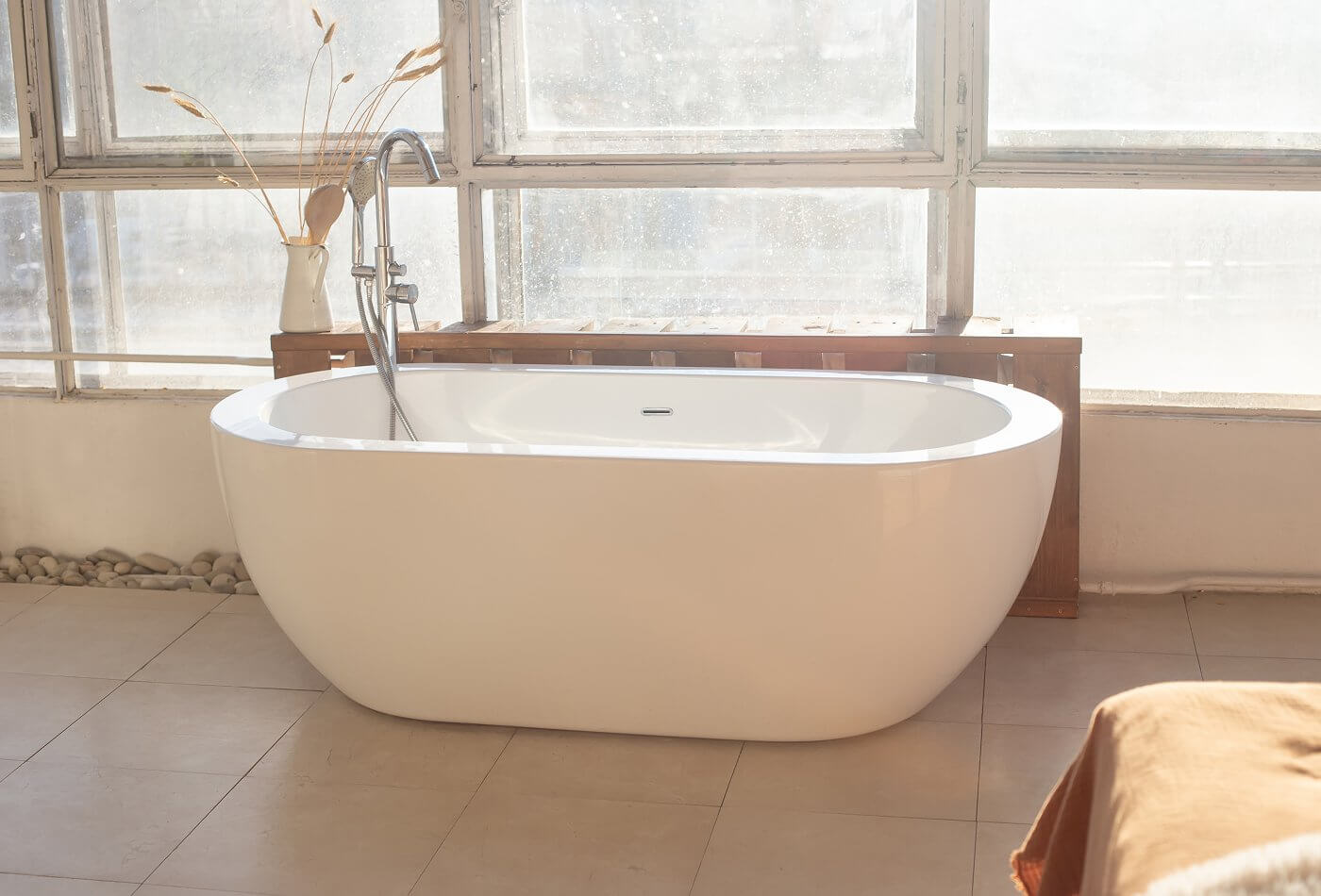
Cracks in bathtubs often develop due to:
· Age and wear · Incorrect bathroom installation.
· Movement in the floor beneath the tub.
· Use of abrasive cleaning agents.
· Temperature fluctuations.
In the UK, acrylic and fibreglass tubs are common, especially in modern homes and council flats, and they’re more prone to cracking than cast iron or enamel alternatives. If you do not know how to repair a cracked tub, keep reading till the end.
Did You Know?
· A small bathtub crack, if ignored, can lead to water damage repairs costing over £2,000 in the UK due to leaks into subflooring or ceilings below.
· Enamel tubs found in many UK homes built before the 90s are more prone to surface cracks and rust spots over time, but they can often be resurfaced rather than replaced.
· Many UK home insurance policies do not cover damage caused by leaking bathtubs, especially if due to lack of maintenance.
· Using DIY kits may temporarily fix cracks, but over 65% of users in homeowner forums report needing professional help within 6 months.
· A cracked tub doesn’t always mean a replacement – resurfacing or patch repairs can extend a tub’s life by 10+ years at a fraction of the cost.
Common Mistakes People Make When Trying to Repair a Cracked Tub
Knowing how to repair a cracked tub with a DIY kit can save you hundreds, but there are certain mistakes to avoid to prevent ending up in a bigger loss.
1. Skipping surface preparation – Not cleaning or sanding the area properly leads to poor adhesion.
2. Using the wrong repair kit – Different tubs (acrylic, enamel, fibreglass) need specific fillers and adhesives.
3. Overfilling the crack – This can cause lumps and uneven surfaces.
4. Under-curing – Not allowing enough time for the filler to dry weakens the repair.
5. Ignoring moisture – Moisture trapped inside the crack can prevent proper sealing.
6. Skipping finish or polish – Leaves the repaired spot dull, rough, and visible.
7. Not sealing properly – This can cause the crack to reopen or spread.
8. Using the tub too soon – Weakens the bond and may undo the repair.
Avoid these mistakes to make your DIY cracked tub repair last longer and look seamless.
Common Signs of a Cracked Tub
Small cracks can easily be fixed if caught early. Ignoring them may result in needing a full bathtub replacement, which can cost £500–£1,500+ in the UK, depending on your bathroom size and location. These tips should help you how to spot the problem early:
· Discolouration around the crack.
· Soft or spongy surface around the damaged area.
· Leaks or water stains on the floor below.
· Foul smell due to dampness or mould.
Tub repairs don’t have to break the bank – especially when you know what to expect and how to repair a cracked tub without spending much. Whether it’s a simple acrylic crack or full cast iron restoration, knowing your options and costs helps you make the best decision. Post your project on MAI to compare verified service providers and get it done right without the mess or stress.
Types of Bathtub Cracks
When learning how to repair a cracked tub, it’s essential to understand the type of crack. It helps determine the best repair approach:
· Hairline Crack: Thin, surface-level crack from wear & tear.
· Stress Crack: Caused by pressure or structural movement.
· Spider Crack: Cracks that spread out like a web.
· Full-Thickness Crack: Deep enough to cause leaks.
How to Repair a Cracked Bathtub? Step-by-Step DIY Guide
Knowing how to repair a cracked tub with a DIY kit can save you hundreds. If you have an acrylic or fibreglass bathtub, you can fix minor cracks using a tub repair kit. Here's how:
Tools & Materials Needed to Repair a Bathtub:
1. UK-approved acrylic/fibreglass repair kit (available at B&Q or Screwfix).
2. Sandpaper (preferably 220 grit and 400 grit).
3. Cleaning cloth and rubbing alcohol.
4. Putty knife or plastic applicator.
5. Paintbrush (for finishing coat).
6. Hairdryer (optional).
7. Gloves and safety goggles.
Bathtub Fixing Steps
Step 1: Clean the Area
Thoroughly clean the cracked area with a non-abrasive cleaner. Use rubbing alcohol to remove soap residue, mould, or grime. Let the surface dry completely.
Step 2: Sand Around the Crack
Lightly sand a 3-inch radius around the crack to allow better adhesion for the filler. Wipe away the dust with a damp cloth.
Step 3: Mix & Apply the Filler
Follow the instructions provided in your repair kit. Mix the resin and hardener, then apply the paste over the crack using a putty knife. Press firmly to fill all gaps.
Step 4: Let it Cure
Most fillers need 12–24 hours to cure. You can speed up the process slightly with a hairdryer, but don’t rush it.
Step 5: Sand Again & Paint Finish
Once hardened, sand the surface with 400 grit for a smooth finish. Apply touch-up paint from the kit that matches your tub’s colour. Let it dry.
Optional: Waterproof Sealer
Some homeowners apply a waterproof sealant over the repair for added protection.
When Should You Call a Professional?
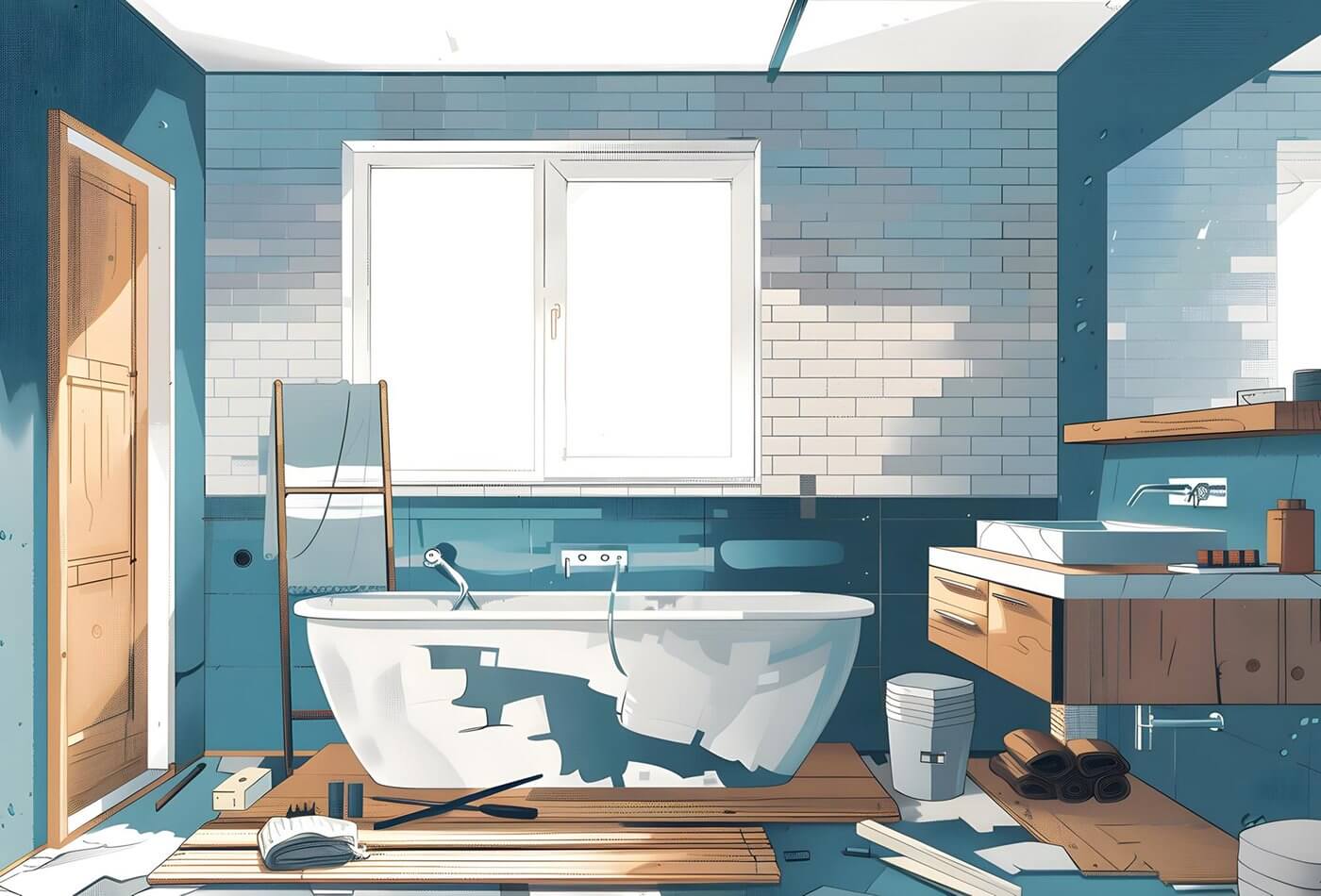
While many minor repairs can be DIY-ed, professional help is recommended if:
1. The crack is longer than 6 inches
2. The tub flexes or shifts when stepped into
3. Water damage is already visible
4. You’re unsure whether it’s acrylic, enamel, or cast iron.
Cost of Tub Repair in the UK
The cost of repairing a cracked or damaged bathtub in the UK varies based on the material and extent of the damage. On average:
1. Acrylic/Fibreglass Crack Repair: £70 – £150
2. Enamel Resurfacing: £200 – £350
3. Cast Iron Tub Repair: £300 and might go higher.
4. Bathtub Replacement: £500 – £1,500 and might go higher.
Acrylic and fibreglass tubs are the most affordable to fix, especially if the damage is surface-level. Enamel tubs require professional resurfacing for a durable finish, while cast iron tubs often need specialist care, making them more costly to repair. If the crack is severe or the tub is beyond repair, replacement might be the only option—adding plumbing and tiling costs on top. Not sure how to get started or looking for fair pricing? Post your tub service project on MAI, a trusted UK platform connecting homeowners with verified professionals. You can compare quotes, read reviews, and book with confidence – saving time and avoiding overcharges.
Note: MAI doesn’t offer services directly. It’s a free tool designed to help you find reliable tradespeople for your home repairs.
Can You Repair an Enamel or Cast-Iron Bathtub?
Yes, but it’s best left to experts. Enamel tubs require resurfacing with a special coating and primer, while cast iron baths need welding or epoxy filler. DIY kits are available but often don’t match the finish or strength of a pro job.
Bathtub Repair Kits: What to Look For?
When shopping online or at stores like Wickes, Toolstation, or Screwfix, look for kits that are:
· HETAS-safe and BS EN compliant.
· Designed for your material type (fibreglass vs acrylic vs enamel).
· Colour-matched or offer a white gloss finish.
Popular UK Brands:
· Cramer Bath Repair Kit.
· Unibond Sealant and Repair.
· Everbuild 409 Fix & Fill Foam.
Cracked Bathtub Repair: Do’s & Don’ts

How To Prevent Future Tub Cracks?
Proper maintenance can reduce the risk of cracks returning. Follow the below points to prevent bathtub cracks and mishaps.
· Avoid standing or jumping in the tub
· Use non-slip bath mats that don’t trap moisture
· Install proper floor supports during bathroom renovations
· Never use boiling water directly in an empty acrylic bath
· Don’t drag buckets or heavy objects across the surface
Final Thought
Cracked bathtubs might seem like a plumbing nightmare, but they don’t have to be. With a little time and the right repair tools, you can restore your tub to a near-new condition and avoid costly replacements. However, if the damage looks deeper or spreads over time, don’t hesitate to connect with local experts, trusted and verified, only on MAI. Click here for similar home renovation tips and guidance.
Need Help?
Now that you know how to repair a cracked tub, you probably won’t need help—right? But just in case you do, we’re here for you. Call us at +44 0208 004 3345 or email info@myproject.ai for free assistance in connecting with trusted, vetted bathtub repair professionals near you. Or, simply drop us a message via our Contact Us page — we’ll get back to you quickly.
Frequently Asked Questions and Answers
Is It Worth Repairing A Cracked Bathtub?
Yes, especially for acrylic or fibreglass tubs. Minor cracks are often fixable for under £150, saving you hundreds compared to replacement.
Can a Bathtub Crack Get Worse Over Time?
Absolutely. Even hairline cracks can expand with water pressure and temperature changes, leading to leaks or structural damage.
How Long Does a Tub Repair Take?
Most professional repairs take 2–4 hours and require a 24-hour cure time before use.
Is Resurfacing the Tub a Good Idea?
Yes, for enamel and cast-iron tubs, resurfacing can restore the look and function for a fraction of replacement costs.
Can I Learn How To Repair A Cracked Tub Myself?
Absolutely, yes. This blog helps you how to repair a cracked tub without calling a plumber.
Disclaimer: The brands mentioned in this blog are not sponsored or affiliated with us in any way.
Enjoyed this? Get new posts by email
New posts from MY-BOOK, plus a short digest every Monday. Unsubscribe at any time.
Related reading
Popular on MY-BOOK
 Window Sill Replacement: Costs, Mistakes & Best Options | UK7 Oct 2026 · 6 min read4How Much Does A Plumber Earn? UK 2025 Salary Insights12 Aug 2025 · 6 min read
Comments
Please keep it kind and on topic. Read our community guidelines.
Loading comments…