1 view
Table of Contents
Key Takeaway:
So, what’s the deal with modular construction techniques? They are all about efficient architecture and innovation. Whether modular apartments or homes in the UK, these options can save you time and money while providing a beautiful space. Imagine customising your home or office without long delays in traditional architecture. Additionally, you get quality craftsmanship with your touch with manufactured homes. It’s really a big victory! And don’t overlook, if you ever feel beaten, that MAI is always here to help guide you through the bits and bobs of modular creation. Explore the top construction service now. For any inquiry, could you email us directly at info@myproject.ai.
What Are Modular Construction Techniques?

Let’s start with the basics: What precisely are Modular Construction Techniques?
Those are innovative construction methods that contain developing sections of a shape referred to as modules of the website online, regularly in a manufacturing unit setting. These modules are then transported to the construction site and assembled into a whole construction.
You are probably questioning why this approach is gaining quite a reputation. Well, it’s all approximately efficiency, sustainability, and cost-effectiveness. With traditional building methods, many can go wrong with on-site delays due to weather, labour shortages, or even unexpected site conditions. Modular construction techniques aim to solve these issues by taking a large part of the process indoors, where everything can be controlled more efficiently. Stay updated with our daily blogs to grasp the unique ideas for your project.
Types of Modular Construction Techniques:
When we speak about modular construction techniques, there are several techniques to consider, each with benefits and applications. Let’s break down a few popular types now:
Type 1: Panelised Systems
In this approach, wall panels, roof trusses, and other additives are prefabricated after which they are assembled on-site. It’s like setting up a massive puzzle!
Type 2: Prefabricated Modules
These are entirely constructed sections like rooms or bathrooms made in a factory and then transported to the website online. Think of it as ordering a fully-equipped kitchen that is ready to use!
Type 3: Volumetric Construction
This technique includes developing whole modules that are often 3-dimensional and may be stacked or linked to shape a larger structure. It’s a first-rate option for short builds, like hotels or student housing.
Type 4: Hybrid Modular Techniques
This method combines various approaches, blending modular with traditional construction to shape a particular task's needs. It allows for more design flexibility while still reaping the benefits of modular construction.
Pros of Modular Construction Techniques:
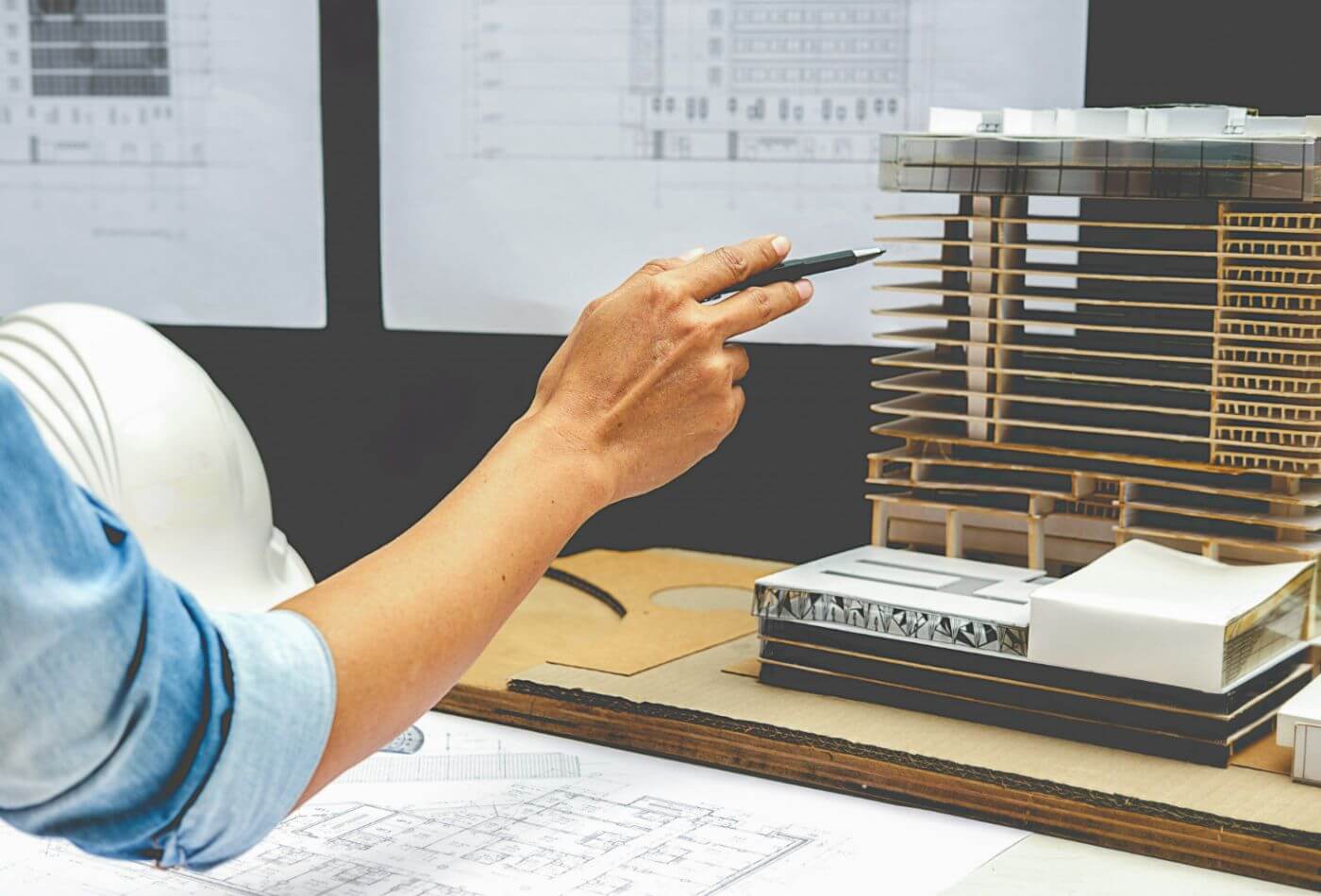
So, why should you care about these construction techniques? Here are some notable benefits:
1. Speed of Construction
Since many building parts are made off-site, projects can be completed much faster. This method enables quicker occupancy for modular homes in the UK, supporting people to get into their new spaces quicker.
2. Cost-Effectiveness
Modular buildings can be more budget-friendly with much less time spent on-site and decreased labour costs. Fewer substances go to waste when things are manufactured in a controlled environment.
3. Sustainability
Most modular construction techniques emphasise sustainability. They regularly use green substances and processes that reduce the environmental footprint, which is excellent for our planet!
4. Enhanced Quality Control
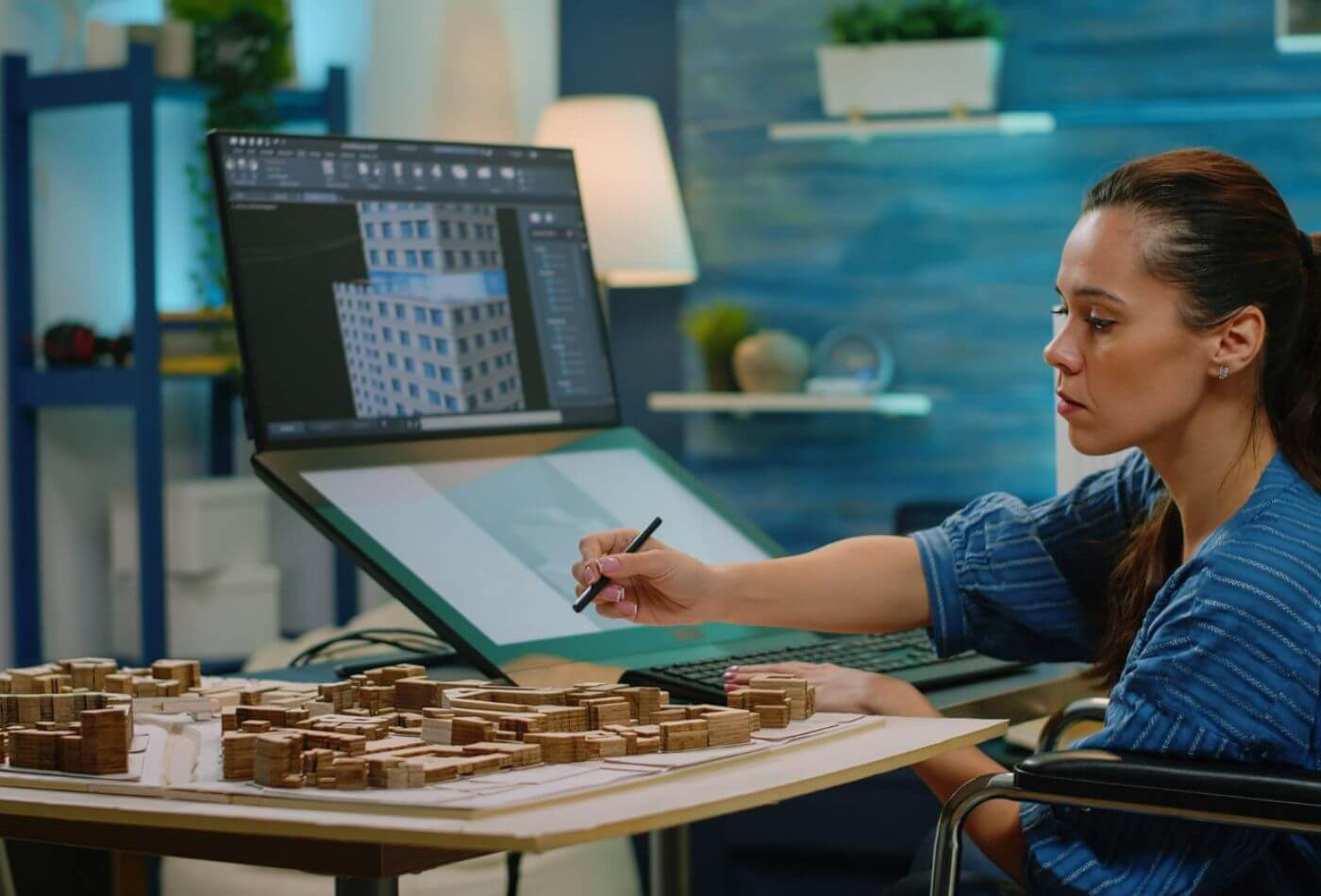
Building in a manufacturing unit setting means stricter quality control measures. This results in higher-exceptional finishes and fewer defects, making your fabricated homes more dependable.
Cons of Modular Construction Techniques:
Of course, no construction method is without its challenges. Here are a few downsides to consider:
1. Design Limitations
While modular construction is flexible, it may not provide the same design freedom as traditional building methods. Some homeowners might feel constrained by the predefined sizes and shapes of modules.
2: Transportation Challenges
Getting those hefty modules to the website can be difficult. If your location has limited access or the modules are oversized, it can result in logistical complications.
3: Perception Issues
Some humans still have misconceptions about modular homes, often viewing them as much less desirable than traditional homes. However, this perception is slowly changing as more beautifully designed modular buildings hit the market.
Uses of Modular Construction Techniques:

Now, let’s talk about where you might see these construction techniques. The applications are vast and varied:
Application 1: Residential Homes
Modular homes in the UK have become increasingly famous as people seek green and fashionable living options. Modular buildings can offer stunning and functional areas, whether a single circle of relatives domestic or a condo complex.
Application 2: Commercial Spaces
Modular construction is making waves in the commercial sector, from office buildings to retail stores. Businesses can set up shop faster and often at a lower cost.
Application 3: Specialised Structures
Modular construction isn’t just for homes and businesses. It’s additionally great for temporary structures, such as emergency housing after natural disasters or pop-up shops throughout festivals.
Application 4: Educational Facilities
Schools and universities are leveraging modular techniques to quickly assemble lecture rooms and dorms, presenting essential space when it’s needed maximum.
Conclusion:
So, to wrap things up, modular construction techniques are shaking up the construction game!!! It’s true. They’re all approximately making things quicker, cheaper, and way more sustainable. Whether you’re dreaming of very stylish modular homes in the UK or just want to set up a cool new office, these methods can deliver with all the desirable qualities. But, there are a few bumps along the way, but the perks usually outweigh the downsides as well. And with all the buzz around fabricated homes, more folks are catching on! If you’re ready to explore the world of modular building, don't forget that MAI is here to help you. Sign up MAI and explore more about Project owners!
Frequently Asked Questions And Answers:
1. Are These Modular Homes a Good Investment?
Absolutely! Many people are aware that modular houses may be fantastic funding. Because they are built off-site, they often save time and money, which can mean lower costs for you as a customer. And let’s remember the increasing demand for fabricated homes in the market.
2. Can I Customise a Modular Home?
Definitely! One of the best aspects of modular construction is the power it offers. While there are well-known designs, maximum producers permit customisation, so that you can tweak layouts, finishes, and features that thoroughly suit your style as well.
3. What Are the Energy Efficiency Benefits of Modular Construction?
Energy efficiency is one of the very top standout features of modular construction! Because the modules are constructed in a controlled environment, they frequently have better insulation and tighter seals than traditionally built homes, which means less energy is wasted.
Try MAI for free today!
1 view
Enjoyed this? Get new posts by email
New posts from MY-BOOK, plus a short digest every Monday. Unsubscribe at any time.
Related reading
Popular on MY-BOOK
 Window Sill Replacement: Costs, Mistakes & Best Options | UK7 Oct 2026 · 6 min read4How Much Does A Plumber Earn? UK 2025 Salary Insights12 Aug 2025 · 6 min read
Comments
Please keep it kind and on topic. Read our community guidelines.
Loading comments…