1 view
Table of Contents
- Are Domestic Wind Turbines Worth It?
- Let’s Compare Solar Vs Wind Turbines
- What’s the Cost of Building a Small Wind Turbine for Home Use?
- Can One Residential Wind Turbine Power an Entire House?
- Domestic Wind Turbine Setup: What You Need to Know
- Hybrid Renewable Energy System For Home: Wind Turbine + Solar
- How Much Energy Do Wind Turbines Generate? (Based on Real People’s Answers)
- How Much Energy Could You Get from a DIY Wind Turbine?
- Final Thoughts - Domestic Wind Turbines: Yes or No?
- Frequently Asked Questions and Answers
Key Takeaway: In recent years, home energy setups have taken a sharp turn from the grid to the sky – quite literally. While solar panels have basked in the spotlight for years, there’s a growing breeze of interest in wind turbines for home. But are these spinning machines practical? Affordable? Reliable enough to power your kettle and TV at the same time?
Let’s break it down in layman's terms.
Are Domestic Wind Turbines Worth It?
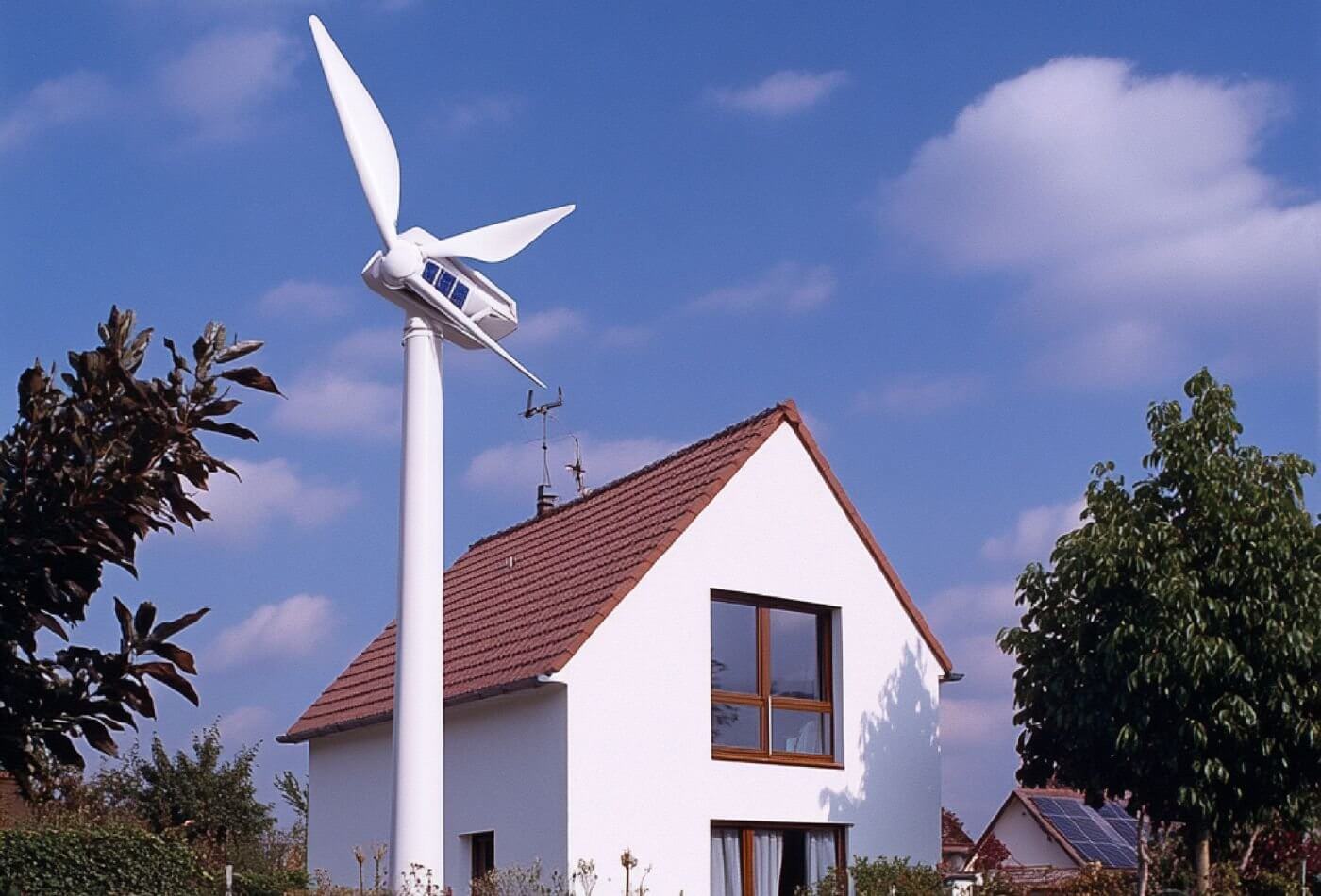
That’s the million-pound question. At face value, domestic wind turbines promise clean energy straight from nature, potentially shrinking your utility bills and carbon footprint. But the keyword here is “potentially”.
Here’s the thing: wind power is location-sensitive. A turbine in a flat, open, and consistently breezy area? Fantastic. A turbine in a quiet suburb flanked by buildings, trees, and unpredictable gusts? Not so much.
If your property sees regular wind speeds of at least 5 metres per second (that’s roughly 11 mph), you’re in a decent spot to consider one. Rural and coastal homes tend to fare best.
Advantages of using wind turbines for home:
- Renewable and clean.
- Can be used off-grid.
- Government incentives (in some areas).
- Low running cost after installation.
Challenges of using wind turbines for home:
- High upfront cost.
- Depends heavily on wind speed.
- May require planning permission.
- Can generate noise and vibrations.
Are You Looking for Eco Tips for a Sustainable Home?
Let’s Compare Solar Vs Wind Turbines
They’re not enemies, more like siblings fighting for your rooftop space.
Advantages of Using Domestic Solar Panels:
- Great for areas with decent sunlight.
- Very low maintenance.
- Government grants and feed-in tariffs often available.
- Long life (25 – 30 years).
Domestic Wind Turbines:
- Better for windy, open land.
- Works day and night (unlike solar).
- Slightly higher maintenance.
- More sensitive to siting and zoning.
In the UK, solar is generally the go-to for urban homes, but if you’re rural, or better yet, combining both, you could create a hybrid setup that works through all seasons.
What’s the Cost of Building a Small Wind Turbine for Home Use?
Prices vary like British weather. But here’s a rough idea:
- Small rooftop turbine (1 – 2 kW): £2,000 – £8,000.
- Pole-mounted turbine (5 – 6 kW): £15,000 – £30,000.
- Installation & permits: can add several hundred to a few thousand.
Maintenance isn’t too scary. Occasional servicing, lubrication, and inspections should do the trick. If connected to the grid, you might even earn for the extra energy you feed back.
Still, this isn’t a weekend DIY project with spare parts; it’s a serious investment. Factor in ROI based on local wind conditions and your energy needs.
Can One Residential Wind Turbine Power an Entire House?
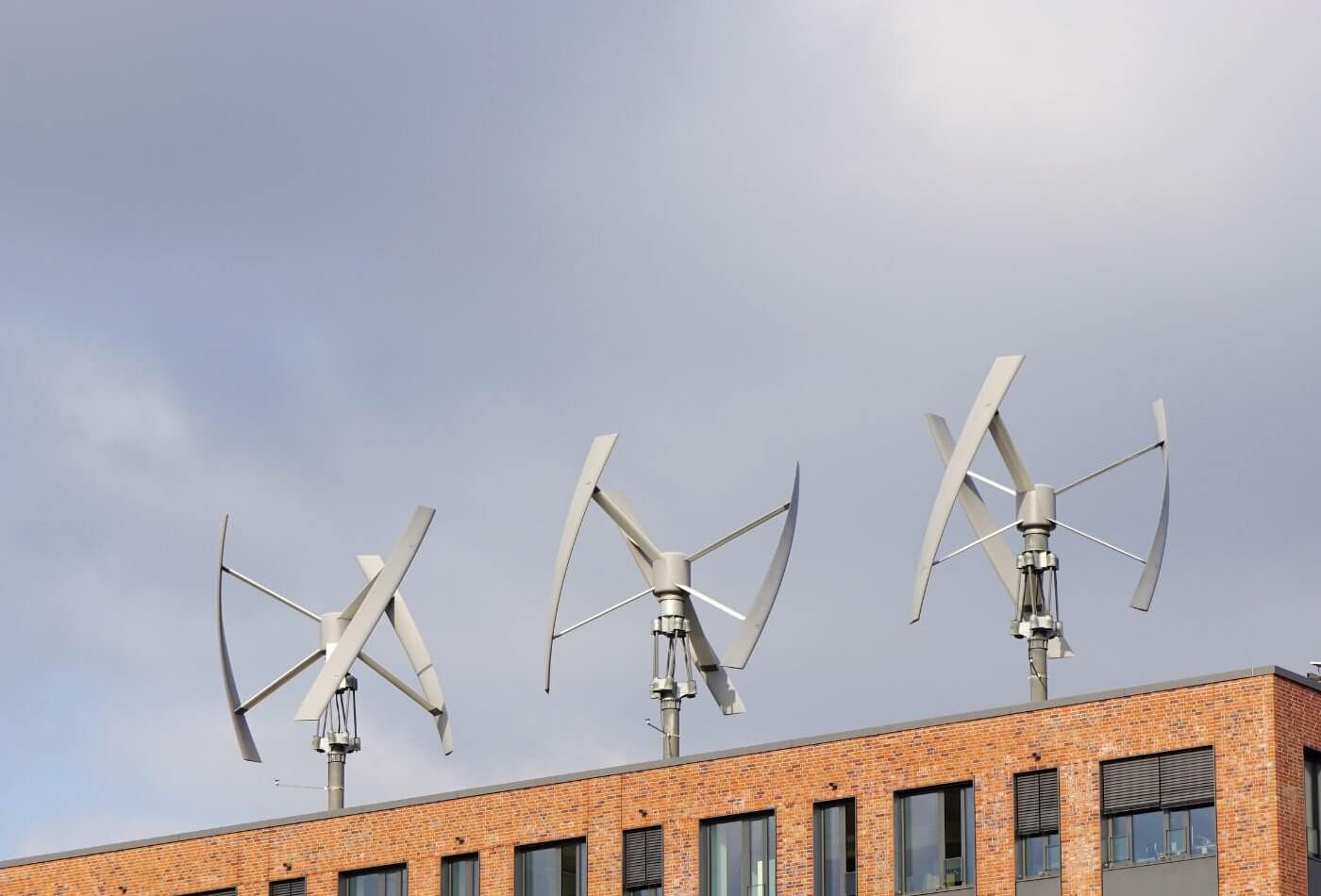
In theory? Yes. In reality? It depends.
Let’s say your average UK household uses 3,800 to 4,000 kWh per year. A 6 kW wind turbine in a decent wind location could generate roughly 9,000 kWh annually, more than enough.
But most homes don’t have the space or planning permission for a big 6 kW turbine. And the smaller ones that we could work around with can only make about 1,000 to 2,000 kWh a year. That's not enough to run a whole house unless we are really careful with our energy usage.
So the wise move is to use wind power as a backup or combine it with solar panels.
Domestic Wind Turbine Setup: What You Need to Know
Setting up a home turbine isn’t just about buying a kit and bolting it to your shed. You’ll need to consider:
Planning permission: Especially for pole-mounted turbines. Always check with your local council.
Height & placement: Higher is better, more wind, less turbulence. Rooftop installations work only if the roof is tall and exposed.
Inverter: Converts wind energy into usable electricity for your home.
Battery storage: Stores extra energy to use during calm or windless periods
Grid connection (optional): Lets you sell back energy.
Many UK homeowners opt for off-grid systems in remote areas, while others tie into the grid for backup.
Hybrid Renewable Energy System For Home: Wind Turbine + Solar
Absolutely, we can combine solar with wind turbines for home. This is, in fact, the smartest move you make.
This is called a hybrid renewable system: solar by day, wind by night or stormy weather. This innovation offers better coverage and more consistent output. Since wind and sun rarely peak at the same time, you balance out the weaknesses of each.
Some inverters and battery systems now come ready to support multiple energy sources, which makes the transition smoother. If your home already has solar, adding a small turbine can bolster output during dark winter months.
For complete eco-efficiency, consider integrating a rainwater harvesting system to conserve water alongside energy.
How Much Energy Do Wind Turbines Generate? (Based on Real People’s Answers)
Real users on forums like Reddit and Quora often give better insight than product brochures.
Some UK homeowners report:
- 1.5 kW turbines generating around 1,200 – 1,800 kWh/year.
- 5 – 6 kW models producing up to 5,000 – 9,000 kWh/year (in ideal cases).
That said, these numbers can drop dramatically in poor wind zones. One Reddit user in a semi-sheltered valley reported only 400 kWh/year from a 1.2 kW system, not exactly thrilling.
Use an anemometer to measure average wind speed before committing. No wind? No win.
How Much Energy Could You Get from a DIY Wind Turbine?
Here’s where expectations meet reality.
Some people I know have seen DIY turbines using things like old bike parts and pipes. It’s fun if you like that kind of hands-on stuff. But when it comes to actual power? Don’t expect much. Most DIY ones only give about 50 to 200 watts. That’s enough for maybe a light or charging your phone, not your fridge or TV.
It is worth mentioning that a lot of homemade ones skip safety stuff, like grounding or controls to stop it spinning too fast. So yeah, it is for sure a cool project, but we cannot entirely count on it to run a house.
So, Should You Install a Wind Turbine at Home?
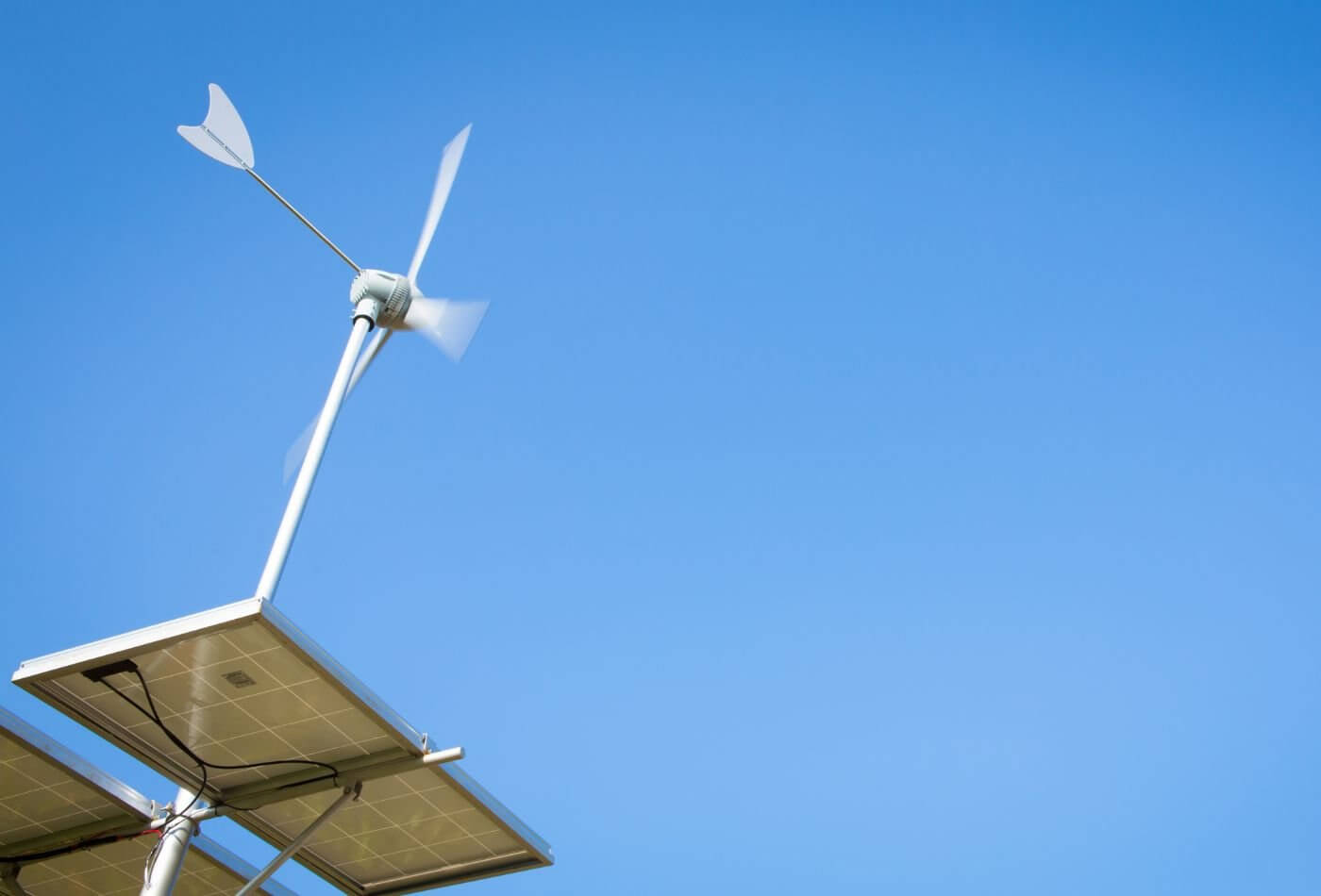
If you:
- Live in a windy, open, rural area
- Have space for a pole-mounted setup
- Can afford the initial investment
- Want to lower your carbon footprint long-term? Then yes, a home wind turbine might be the upgrade you’re looking for.
But if you’re in a city and live in a shared space with unpredictable weather, it is better to go full solar.
Final Thoughts - Domestic Wind Turbines: Yes or No?
A home wind turbine isn’t for everyone. It takes planning, investment, and the right location. But for those who make it work, it’s more than a clever gadget; it becomes part of a greener lifestyle.
It is always good to compare quotes from professionals before making a decision. Why don't you Post your project here today? It is FREE!
You may email info@myproject.ai or call +44 0208 004 3345 for assistance
Frequently Asked Questions and Answers
Can I Install A Wind Turbine On My House?
Installing wind turbines for home depends on where you live. If you stay where it is highly windy and open, it is possible to install one. But do check local council rules, as some setups need planning permission.
How Much Wind Do I Need For A Home Turbine Setup?
You need wind that is at least 5 metres per second, which is about 11 mph, for a proper home wind turbine setup. If it is less than that, a turbine won’t generate much power. Need wind turbines for home and a full set-up? Post your projects here.
Will a Small Turbine Power My Whole House?
Unless you live super efficiently, small domestic turbines cannot run a whole house. Those will reduce some power usage, though.
Are Wind Turbines Noisy?
Yes, wind turbines do generate noise, especially the huge ones. If you live solo in a big space, you may consider it since it is more of a “whooshing” sound, but if you live close to neighbours, it could be a nuisance to them.
How Much Does It Cost To Install Wind Turbines For Homes?
We should anticipate paying £2,000 to £30,000 to have domestic wind turbines installed, depending upon size and type. Roof-mounted types tend to be less expensive, but if you have a little extra space, pole-mounted types grab more wind and deliver more power.
Can I DIY a Domestic Wind Mill?
You can try to DIY a domestic wind mill but it usually only powers small things, like lights or chargers, not your whole home. Wind turbines for home can be done domestically with MAI help; register today to find experts.
How Long Does a Windmill Last?
With regular checks and a bit of care, most home wind turbines can last up to 20 years. It’s like owning a bike or a car; keep the moving parts in good shape and it’ll keep doing its job.
1 view
Enjoyed this? Get new posts by email
New posts from MY-BOOK, plus a short digest every Monday. Unsubscribe at any time.
Related reading
Popular on MY-BOOK
 Window Sill Replacement: Costs, Mistakes & Best Options | UK7 Oct 2026 · 6 min read4How Much Does A Plumber Earn? UK 2025 Salary Insights12 Aug 2025 · 6 min read
Comments
Please keep it kind and on topic. Read our community guidelines.
Loading comments…